The most successful investors and entrepreneurs don’t read for business tips. They read to master human psychology, understand complex macro-systems, and to build better mental models.
And the interesting part?
Many of these books aren’t about investing at all.
They’re novels. Histories. Psychology. Complexity science.
While researching this list, I was curious and counted how many I’d actually read. My score? A humbling 2 out of 8.
Considering how much I read about finance, investing and history, I thought there would be far more overlap. Instead, it reminded me that some of the best investors don’t read more than everyone else, they read differently.
If you’re putting together your summer reading list, perhaps one of these belongs on it too.
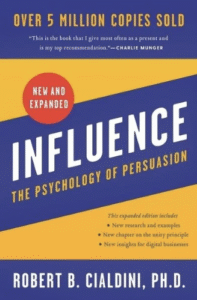
1. Influence by Robert B. Cialdini
Recommended by: Charlie Munger
Munger believed investing was ultimately a study of human behaviour. Influence explains why people make predictable decisions whether through social proof, reciprocity or authority and why even intelligent people can be manipulated. He admired the book so much that he famously gave Robert Cialdini a share of Berkshire Hathaway stock as a thank-you. For Munger, understanding psychology one of the biggest investing advantages you could have.
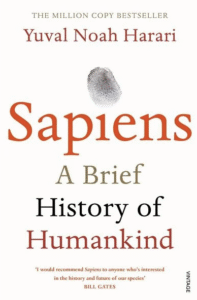
2. Sapiens by Yuval Noah Harari
Recommended by: Bill Gates & Mark Zuckerberg
Both Gates and Zuckerberg have praised Sapiens for helping them zoom out. Rather than focusing on today’s technologies, it explains how humans built societies, created shared beliefs and organised themselves over thousands of years. For leaders building products used by billions, understanding how civilisation itself works offers valuable perspective.

3. Business Adventures by John Brooks
Recommended by: Warren Buffett & Bill Gates
When Bill Gates asked Buffett for his favourite business book, Buffett sent him his own copy of Business Adventures. Gates later said he was surprised by how modern it felt despite being written decades earlier. That’s exactly why both men recommend it: technology changes, markets evolve, but people and the mistakes they make remain remarkably consistent.
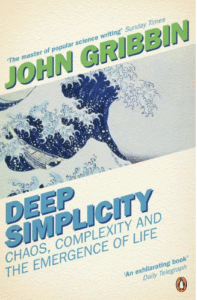
4. Deep Simplicity by John Gribbin
Recommended by: Charlie Munger
Munger was obsessed with learning across disciplines. He recommended Deep Simplicity because it explains how complex systems from ecosystems to financial markets often emerge from surprisingly simple rules. The book reinforced one of his favourite ideas: if you can understand the underlying principles, you can make better decisions even in a complicated world.
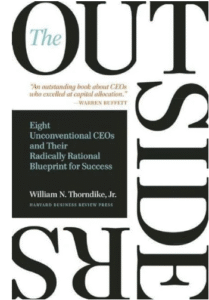
5. The Outsiders by William N. Thorndike
Recommended by: Warren Buffett
Buffett praised this book because it focuses on something most business books ignore: capital allocation. It follows eight CEOs who quietly created enormous shareholder value by making exceptional decisions about where cash should be invested not by chasing headlines or quarterly earnings. Buffett often says a CEO’s most important job is allocating capital, and this book explains why.
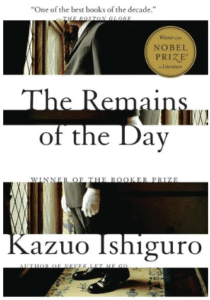
6. The Remains of the Day by Kazuo Ishiguro
Recommended by: Bernard Arnault
This may seem like an unexpected choice for the world’s richest luxury entrepreneur. Arnault has admired the novel for its themes of discipline, craftsmanship and quiet perfectionism. Its protagonist spends a lifetime pursuing excellence in the smallest details an approach that mirrors the standards required to build brands like Louis Vuitton and Dior.
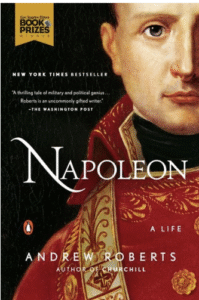
7. Napoleon: A Life by Andrew Roberts
Recommended by: Bernard Arnault
Arnault has long been fascinated by leaders who combined vision with exceptional execution. Rather than focusing only on Napoleon’s battles, this biography explores how he built institutions, prepared relentlessly and thought strategically over the long term. Those qualities have clear parallels with Arnault’s patient approach to building the world’s largest luxury group.

8. Guns, Germs, and Steel by Jared Diamond
Recommended by: Daniel Ek
The Spotify founder has recommended this book because it shifts the focus from individuals to systems. Diamond argues that geography, institutions and historical circumstances often shape success more than talent alone. It’s a useful reminder for entrepreneurs that building a great company isn’t just about effort – it’s also about understanding the environment and networks in which it operates.
Featured photo credit: University of Zürich
Join 1'400+ readers making smarter Swiss financial decisions:
Send me the next guide